[Get the best value jump rings for jewelry on Amazon today!]
# The Ultimate Guide to Jump Rings for Jewelry Making
Hey there, fellow jewelry enthusiasts! If you’re diving into the wonderful world of jewelry making, you’ve probably already encountered those tiny, but mighty, metal circles: jump rings. These little connectors are the unsung heroes of jewelry design, holding your necklaces, bracelets, and earrings together. But with so many sizes, materials, and types available, choosing the right jump rings for your projects can feel overwhelming. Don’t worry, this ultimate guide will walk you through everything you need to know to master the art of using jump rings!
[Browse top-rated jump rings for jewelry on Amazon]
## What are Jump Rings?
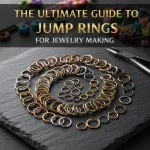
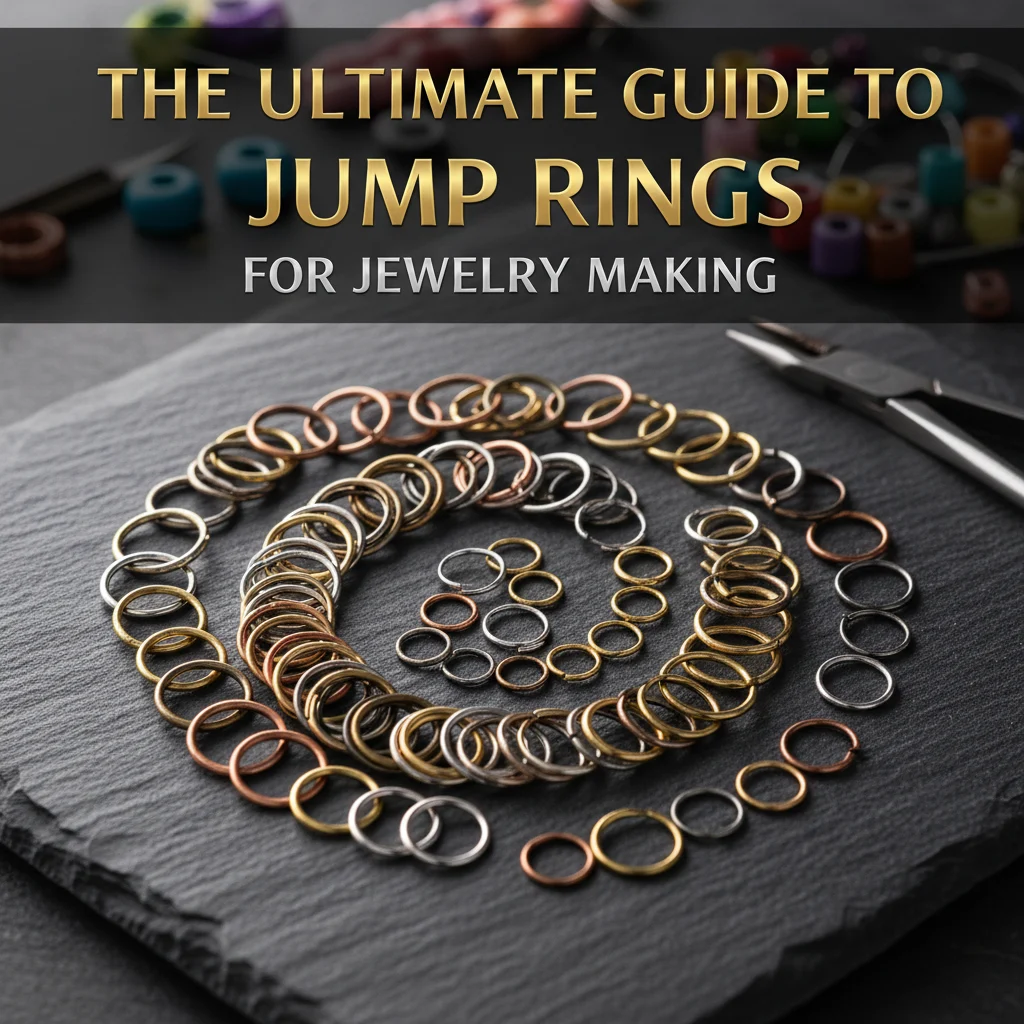
Simply put, jump rings are small, circular metal rings used to connect different components in jewelry making. They act as links between beads, charms, clasps, and other elements, allowing you to create intricate and beautiful designs. They come in various sizes, gauges (thickness), materials, and finishes, making them incredibly versatile for a wide range of jewelry projects.
[Browse top-rated jump rings for jewelry on Amazon]
## Why Are Jump Rings Important?
Think of jump rings as the glue that holds your jewelry together. They’re essential for:
* **Connecting components:** Linking beads, charms, pendants, and clasps.
* **Adding dangles and drops:** Creating movement and visual interest.
* **Extending chain lengths:** Adjusting necklaces and bracelets for a perfect fit.
* **Repairing broken jewelry:** Replacing damaged links to restore your favorite pieces.
[Browse top-rated jump rings for jewelry on Amazon]
## Types of Jump Rings
Knowing the different types of jump rings is crucial for choosing the right ones for your projects. Here’s a breakdown of the most common types:
* **Round Jump Rings:** The most basic and versatile type. They’re perfect for general connecting purposes.
* **Oval Jump Rings:** Slightly elongated, offering a different aesthetic. They can be useful for connecting components that have a more oval shape.
* **Split Rings:** Similar to key rings, these rings have two coils that overlap. They’re very secure but can be a bit more difficult to open and close.
* **Twisted Jump Rings:** These rings have a decorative twist, adding a subtle texture to your designs.
* **Soldered Jump Rings:** These rings are permanently closed with solder, making them the strongest and most secure option. They’re ideal for high-stress areas or valuable pieces.
* **Open Jump Rings:** The most common type, featuring a small gap that can be opened and closed with pliers.
[Browse top-rated jump rings for jewelry on Amazon]
## Choosing the Right Size of Jump Rings for Jewelry
Size matters when it comes to jump rings! The right size will ensure a secure and aesthetically pleasing connection. Here’s what to consider:
* **Inner Diameter (ID):** This is the most important measurement. It refers to the diameter of the opening inside the ring. Choose an ID that’s slightly larger than the components you’re connecting.
* **Outer Diameter (OD):** The overall diameter of the ring. This is less critical than the ID but can affect the overall look of your piece.
* **Gauge (Wire Thickness):** The thickness of the wire used to make the ring. A thicker gauge (lower number) will be stronger, while a thinner gauge (higher number) will be more delicate.
**General Guidelines:**
* **Small Beads and Charms:** 3mm – 5mm jump rings
* **Medium Beads and Charms:** 5mm – 7mm jump rings
* **Large Beads and Charms:** 7mm – 10mm jump rings
* **Connecting Chains:** 4mm – 6mm jump rings
* **Clasps:** 5mm – 8mm jump rings
[Browse top-rated jump rings for jewelry on Amazon]
## Jump Ring Materials
The material of your jump rings will affect their appearance, durability, and price. Here are some popular options:
* **Sterling Silver:** A classic choice that’s durable and beautiful. It can tarnish over time but can be easily cleaned.
* **Gold-Filled:** A more affordable alternative to solid gold. It consists of a layer of gold bonded to a base metal.
* **Gold Plated:** The least expensive option, but the plating can wear off over time.
* **Copper:** A warm, reddish metal that’s often used in vintage-inspired designs.
* **Brass:** A yellow metal that’s similar to gold in appearance.
* **Stainless Steel:** A strong and durable metal that’s resistant to tarnish and corrosion.
* **Base Metals:** These are alloys of different metals and are often the most affordable option. They may contain nickel, which can cause allergic reactions in some people.
[Browse top-rated jump rings for jewelry on Amazon]
## Tools for Working with Jump Rings
Having the right tools will make working with jump rings much easier and more enjoyable. Here are some essential tools:
* **Chain Nose Pliers:** These pliers have smooth, flat jaws that are perfect for opening and closing jump rings without scratching them.
* **Round Nose Pliers:** These pliers have rounded jaws that are used for creating loops and curves in wire.
* **Bent Nose Pliers:** These pliers have angled jaws that make it easier to reach into tight spaces.
* **Jump Ring Opener Tool:** A specialized tool that helps you open and close jump rings quickly and easily. Highly recommended for frequent jewelry makers!
* **Magnifying Glasses:** For those tiny jump rings, magnification can be a lifesaver.
### Recommended Product: Wubbers Baby Jewelry Pliers
These pliers are specifically designed for jewelry making. They have smooth, comfortable handles and precise jaws that will help you create professional-looking jewelry. The Wubbers Baby Jewelry Pliers are a fantastic all-around tool for working with jump rings and other small components. Their shorter length provides enhanced control, making delicate tasks much easier.
**Key Features:**
* Short handles for better control
* Smooth jaws to prevent scratching
* Comfortable grip
**Why We Like It:** The Wubbers Baby Jewelry Pliers are incredibly versatile and easy to use. They’re a great investment for any jewelry maker.
[Browse top-rated jump rings for jewelry on Amazon]
## How to Open and Close Jump Rings Properly
Opening and closing jump rings correctly is crucial for ensuring a secure and professional-looking finish. Here’s the proper technique:
1. **Grip the Jump Ring:** Use two pairs of chain nose pliers. Grip each side of the jump ring on either side of the opening.
2. **Open the Jump Ring:** Gently pull the ends of the jump ring *away* from each other, like opening a door. Do NOT pull them apart sideways, as this will distort the shape of the ring.
3. **Attach Your Components:** Slide the components you want to connect onto the open jump ring.
4. **Close the Jump Ring:** Gently push the ends of the jump ring *back* together, ensuring that they meet flush. You should not see a gap.
**Pro Tip:** Practice makes perfect! Don’t be discouraged if you don’t get it right away. Keep practicing until you feel comfortable with the technique.
[Browse top-rated jump rings for jewelry on Amazon]
## Jump Ring Sizes Chart
| Jump Ring Size (mm) | Gauge (Approximate) | Common Uses |
| ——————– | —————— | ——————————————————————————- |
| 3mm | 22-24 | Delicate necklaces, earrings, connecting small beads |
| 4mm | 20-22 | General connecting, bracelets, small charms |
| 5mm | 18-20 | Medium-sized charms, connecting chains, anklets |
| 6mm | 16-18 | Larger charms, heavier chains, secure connections |
| 7mm | 14-16 | Keychains, heavy-duty projects, attaching clasps to thick cords |
| 8mm | 12-14 | Industrial jewelry, large pendants, projects requiring significant strength |
| 9mm+ | 10 or thicker | Chainmaille, specialized projects, very heavy or oversized components |
**Note:** This chart is a general guideline. The appropriate size and gauge will depend on the specific project.
[Browse top-rated jump rings for jewelry on Amazon]
## Jump Ring Finishes
Jump rings come in a variety of finishes, allowing you to match them to the other components in your jewelry. Here are some common finishes:
* **Shiny:** A polished, reflective finish.
* **Matte:** A dull, non-reflective finish.
* **Antiqued:** A darkened finish that gives the jump ring a vintage look.
* **Oxidized:** A darkened finish that’s similar to antiqued but often more pronounced.
* **Hammered:** A textured finish that adds visual interest.
[Browse top-rated jump rings for jewelry on Amazon]
## Troubleshooting Common Jump Ring Problems
Even with the right tools and techniques, you may encounter some common problems when working with jump rings. Here are some tips for troubleshooting:
* **Jump Ring Won’t Close Properly:** Make sure you’re using the correct technique for opening and closing jump rings. If the ring is bent out of shape, try using pliers to gently reshape it.
* **Jump Ring Keeps Breaking:** You may be using a jump ring that’s too thin for the project. Try using a thicker gauge jump ring. Soldered jump rings are also a great option for high-stress areas.
* **Jump Ring is Too Difficult to Open:** You may be using a jump ring that’s too thick for your pliers. Try using pliers with a better grip or a jump ring opener tool.
[Browse top-rated jump rings for jewelry on Amazon]
## Jump Rings for Specific Jewelry Projects
[Check the latest prices and deals for jump rings for jewelry on Amazon today!]