[Get the best value bead board on Amazon today!]
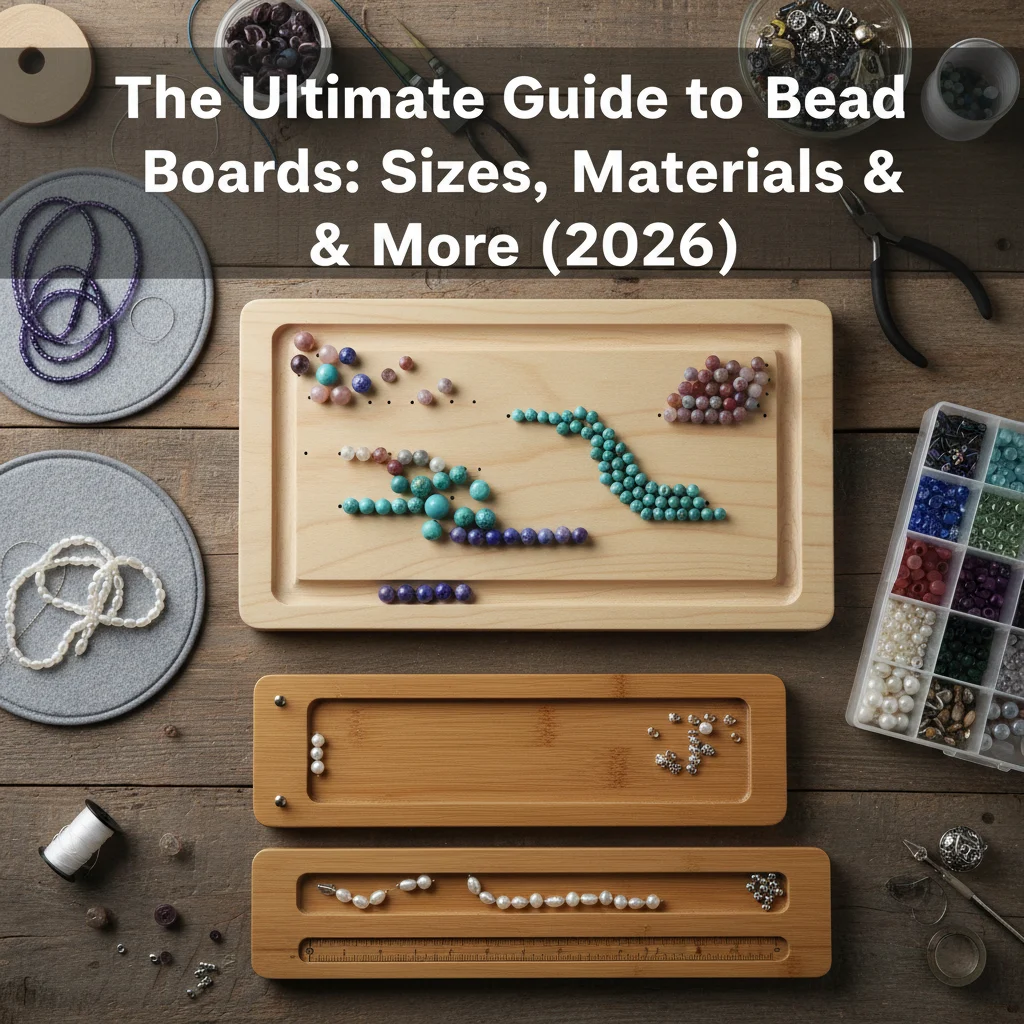
# The Ultimate Guide to Bead Boards: Sizes, Materials & More (2026)
Are you ready to take your jewelry making to the next level? A bead board is an indispensable tool for any beader, from beginners to seasoned pros. It’s more than just a surface; it’s a design studio that helps you visualize and plan your projects before you even string a single bead. This ultimate guide will cover everything you need to know about bead boards, including sizes, materials, features, and how to choose the perfect one for your needs in 2026.
[Browse top-rated bead board on Amazon]
## Why You Need a Bead Board
Before we dive into the specifics, let’s talk about why you absolutely *need* a bead board if you’re serious about beading. Imagine trying to design a complex necklace or bracelet without one. Beads rolling everywhere, losing your pattern, and constantly having to re-measure – it’s a recipe for frustration!
A bead board solves all these problems. It provides a contained workspace with channels to hold your beads in place and measurement markings to ensure your designs are accurate. It allows you to experiment with different patterns and layouts without the commitment of stringing, saving you time and materials. Think of it as your blank canvas for creating beautiful, unique jewelry.
[Browse top-rated bead board on Amazon]
## Bead Board Sizes: Finding the Right Fit
Bead boards come in various sizes, each suited for different types of projects. Choosing the right size is crucial for comfort and efficiency. Here’s a breakdown:
* **Small (6-8 inches):** Ideal for simple bracelets, earrings, and small beadwork projects. These are very portable and great for taking to classes.
* **Medium (10-12 inches):** A versatile option for most jewelry-making tasks, including bracelets, necklaces, and more complex designs. It’s a great size for having on your workspace without taking up too much room.
* **Large (13+ inches):** Perfect for long necklaces, multi-strand designs, and intricate beadwork. These boards provide ample space to spread out and visualize complex patterns.
* **Travel Bead Boards:** These are often smaller, foldable, or have secure closures to keep beads in place during transport. They are essential for beading on the go.
Consider the types of projects you typically work on when selecting a bead board size. If you primarily make bracelets, a small or medium board will suffice. If you frequently create long necklaces or complex designs, opt for a larger board.
[Browse top-rated bead board on Amazon]
## Bead Board Materials: What’s the Best Choice?
The material of your bead board affects its durability, feel, and ease of use. Here are the most common materials:
* **Plastic:** Affordable, lightweight, and easy to clean. Plastic bead boards are a great entry-level option. However, they may not be as durable as other materials.
* **Flocked Plastic:** Plastic with a soft, velvety surface. This prevents beads from rolling around and provides a comfortable working surface. Flocked plastic boards are a popular choice for their balance of affordability and functionality.
* **Wood:** Durable and aesthetically pleasing. Wooden bead boards often have a higher-end feel and can last for years. They may be more expensive than plastic options.
* **Foam:** Lightweight and cushioning. Foam bead boards are gentle on delicate beads and provide a comfortable working surface. However, they may not be as durable as plastic or wood.
Consider your budget and personal preferences when choosing a bead board material. Flocked plastic offers a good balance of affordability and functionality, while wood provides a more premium experience.
[Browse top-rated bead board on Amazon]
## Key Features to Look For in a Bead Board
Not all bead boards are created equal. Here are some essential features to consider:
* **Channels:** Grooves that hold your beads in place. Look for boards with deep, well-defined channels to prevent beads from rolling around. The more channels the better!
* **Measurement Markings:** Printed or etched markings that allow you to measure your designs accurately. These markings are typically in inches and centimeters.
* **Compartments:** Separate sections for storing beads, findings, and tools. Compartments help keep your workspace organized and prevent small items from getting lost.
* **Pin Holes:** Many boards have pin holes around the perimeter. These are great for temporarily securing your stringing wire or thread to keep beads from sliding off the board.
* **Non-Slip Base:** A non-slip base prevents the board from sliding around on your work surface. This is especially important for larger boards.
[Browse top-rated bead board on Amazon]
## Top Bead Board Recommendations for 2026
Now that you know what to look for, let’s explore some of the best bead boards available in 2026. These recommendations are based on quality, features, and user reviews.
### Beadsmith Bead Board with Cover – Best Overall
**Best For:** Versatile use, portability, and organization.
**Key Features:**
* Flocked surface to prevent bead rolling
* Multiple channels for design layout
* Six storage compartments for beads and findings
* Clear plastic cover to secure projects during transport
**Why We Like It:** The Beadsmith Bead Board with Cover is a fantastic all-around option. The flocked surface keeps beads in place, while the multiple channels allow for complex designs. The storage compartments are a lifesaver for keeping your workspace organized, and the included cover makes it easy to transport your projects without fear of them getting messed up.
### Cousin DIY Flocked Bead Design Board – Best Budget Option
**Best For:** Beginners and those on a tight budget.
**Key Features:**
* Flocked surface
* Multiple channels
* Measurement markings in inches
* Lightweight and portable
**Why We Like It:** The Cousin DIY Flocked Bead Design Board is an excellent choice for beginners or anyone looking for an affordable option. It has all the essential features of a bead board, including a flocked surface, channels, and measurement markings. It’s lightweight and easy to carry, making it perfect for taking to classes or crafting on the go.
### EuroTool Professional Bead Board – Best for Professionals
**Best For:** Serious jewelry designers who need a durable, high-quality bead board.
**Key Features:**
* Durable plastic construction
* Deep channels to hold beads securely
* Multiple compartments for organization
* Accurate measurement markings
**Why We Like It:** The EuroTool Professional Bead Board is designed for serious jewelry makers. The durable construction ensures it will withstand years of use, and the deep channels keep beads securely in place. The multiple compartments provide ample storage for beads, findings, and tools.
[Browse top-rated bead board on Amazon]
## How to Use a Bead Board: A Step-by-Step Guide
Using a bead board is simple, but here’s a step-by-step guide to help you get started:
1. **Gather Your Materials:** Collect all the beads, findings, and tools you’ll need for your project.
2. **Plan Your Design:** Lay out your beads in the channels to experiment with different patterns and layouts. Use the measurement markings to ensure your design is the correct length.
3. **Make Adjustments:** Don’t be afraid to rearrange your beads until you’re happy with the design. This is the beauty of using a bead board – you can make changes without having to restring your entire project.
4. **String Your Beads:** Once you’re satisfied with your design, carefully transfer the beads onto your stringing wire or thread.
5. **Finish Your Project:** Add your clasp or other findings and admire your finished creation!
[Browse top-rated bead board on Amazon]
## Pro Tips for Using a Bead Board
Here are some pro tips to help you get the most out of your bead board:
* **Use Bead Stoppers:** Bead stoppers are small clips that prevent beads from sliding off the end of your stringing wire or thread. They’re especially useful when working with slippery beads.
* **Keep Your Workspace Clean:** A clean workspace is essential for preventing beads from getting lost or contaminated. Use a small vacuum cleaner or lint roller to remove any stray beads or debris.
* **Experiment with Different Layouts:** Don’t be afraid to try new things! A bead board is a great tool for experimenting with different patterns and layouts.
* **Take Breaks:** Beading can be a repetitive task, so it’s important to take breaks to avoid fatigue. Stand up, stretch, and give your eyes a rest.
[Browse top-rated bead board on Amazon]
## Common Mistakes to Avoid
Here are some common mistakes to avoid when using a bead board:
* **Not Planning Your Design:** Rushing into a project without planning can lead to frustration and wasted materials. Take the time to lay out your design on the bead board before you start stringing.
* **Using the Wrong Size Board:** Using a board that is too small or too large can make it difficult to work comfortably. Choose a board that is appropriate for the size and complexity of your project.
* **Not Cleaning Your Board:** A dirty bead board can contaminate your beads and make it difficult to see your design clearly. Clean your board regularly with a soft cloth or vacuum cleaner.
[Browse top-rated bead board on Amazon]
## Bead Board Alternatives
While bead boards are the gold standard for jewelry design, here are a few alternatives to consider:
* **Felt Mat:** A simple felt mat can provide a soft surface for working with beads. However, it doesn’t have channels or measurement markings.
* **Bead Mat with Compartments:** These mats have compartments for storing beads and findings, but they don’t have channels or measurement markings.
* **DIY Bead Board:** You can create your own bead board using a piece of foam core board and some felt. This is a great option for those on a tight
[Check the latest prices and deals for bead board on Amazon today!]


