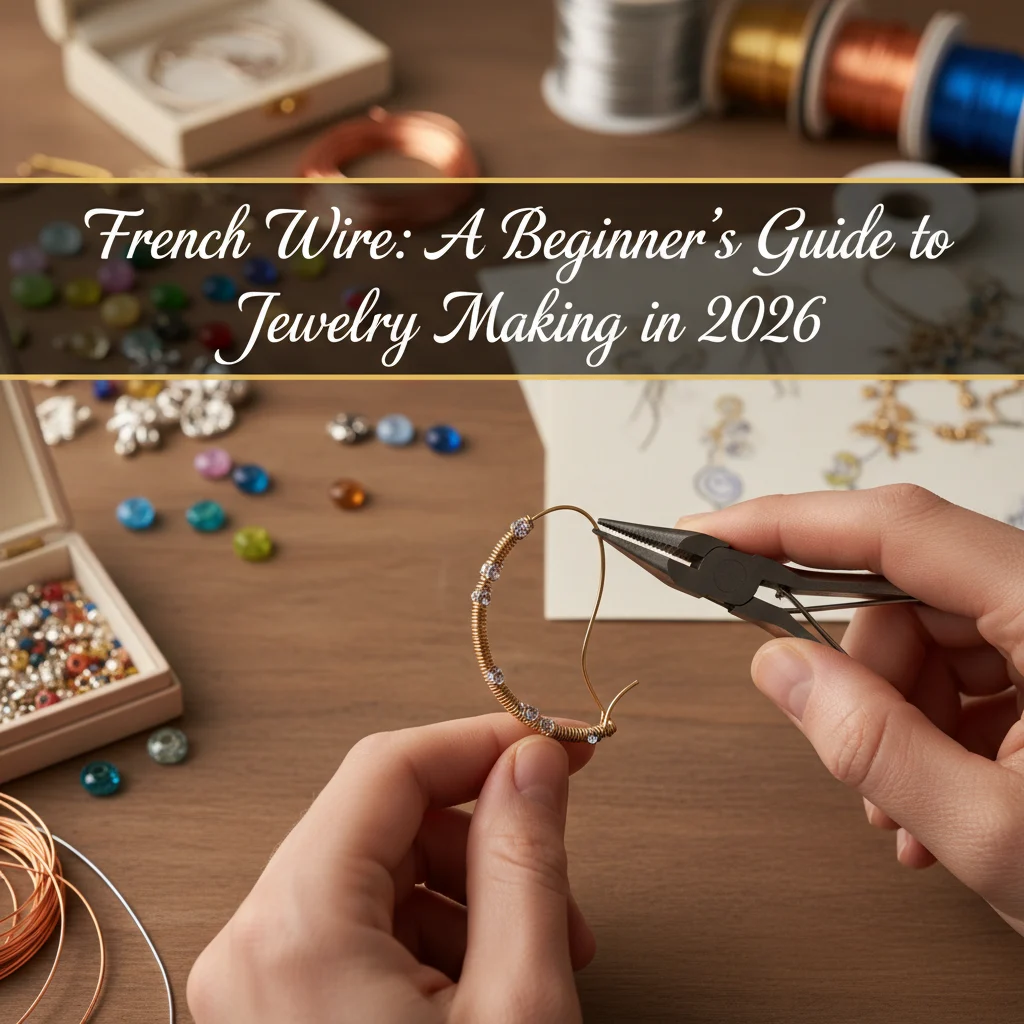
[Get the best value french wire on Amazon today!]
# French Wire: A Beginner’s Guide to Jewelry Making in 2026
French wire, also known as bullion wire, gimp wire, or coil wire, is a game-changer for jewelry making. If you’re new to the craft or looking to elevate your designs, mastering the use of french wire is essential. This guide will walk you through everything you need to know to confidently incorporate french wire into your 2026 jewelry creations. Get ready to add a professional, polished touch to your necklaces, bracelets, and earrings!
[Browse top-rated french wire on Amazon]
## What is French Wire and Why Use It?
French wire is a tightly coiled, hollow wire typically made of silver, gold, or copper. It’s used primarily to protect the ends of beading wire where it attaches to clasps or other findings. Think of it as a tiny, elegant shield that hides the sometimes unsightly beading wire and prevents it from fraying over time.
But its benefits go beyond mere protection. French wire adds a professional, high-end look to your jewelry. The subtle shimmer and clean finish elevate the overall design, making your pieces look more polished and durable. It’s a small detail that makes a big difference!
[Browse top-rated french wire on Amazon]
## Step-by-Step Guide to Using French Wire
Here’s a simple, step-by-step guide to incorporating french wire into your jewelry projects:
### Step 1: Gather Your Supplies
Before you begin, make sure you have the following:
* Beading wire (choose the appropriate gauge for your beads)
* French wire (in a color and size that complements your beads)
* Crimping pliers
* Crimp beads or tubes
* Clasp or other findings
* Wire cutters
* Beads for your project
### Step 2: Thread Your Beads
String your beads onto the beading wire in your desired pattern. Leave enough wire at each end to attach the clasp and french wire.
### Step 3: Attach the Crimp Bead
Slide a crimp bead (or tube) onto one end of the beading wire.
### Step 4: Add the French Wire
Now, carefully slide the end of the beading wire through a piece of french wire. The length of the french wire should be just long enough to cover the beading wire between the last bead and the clasp. It’s best to cut the french wire slightly longer than you think you need, as you can always trim it later. Use wire cutters to cut the french wire, ensuring a clean, even edge.
### Step 5: Thread Through the Clasp
Bring the end of the beading wire around and thread it through the loop of your clasp or other finding.
### Step 6: Thread Back Through the Crimp Bead
Thread the end of the beading wire back through the crimp bead. This creates a loop that secures the clasp to the beading wire.
### Step 7: Crimp the Crimp Bead
Using your crimping pliers, carefully crimp the crimp bead. There are different types of crimping pliers, so make sure you use the correct technique for your specific tool. The goal is to securely flatten the crimp bead, locking the beading wire in place.
### Step 8: Trim the Excess Wire
Using wire cutters, trim the excess beading wire as close to the crimp bead as possible. Be careful not to cut the french wire or the beading wire too short, as this could compromise the security of the connection.
### Step 9: Repeat on the Other Side
Repeat steps 3-8 on the other end of your jewelry piece to attach the other half of your clasp or finding.
### Step 10: Check Your Work
Inspect your finished piece to make sure the french wire is snug against the beads and the clasp. The beading wire should be completely hidden by the french wire and the crimp bead should be securely fastened. Gently tug on the clasp to ensure it’s securely attached.
[Browse top-rated french wire on Amazon]
## Tools for the Job: Essential Products for Working with French Wire
Using the right tools can make working with french wire much easier and more enjoyable. Here are a couple of products that I personally recommend:
### Beadsmith Super Fine French Wire
* **Key Features:** High-quality silver-plated copper, consistent coil, available in various sizes.
* **Why We Like It:** The Beadsmith Super Fine French Wire is perfect for delicate jewelry designs. The fine gauge allows it to be easily manipulated, while the silver-plated copper adds a touch of elegance. It’s also very durable and resists tarnishing. The consistent coil ensures a smooth, professional finish. This brand is a favorite among professional jewelers for its reliability and quality.
### Wubbers Baby Crimping Pliers
* **Key Features:** Ergonomic design, creates rounded crimps, protects wire from damage.
* **Why We Like It:** Crimping can be tricky, but the Wubbers Baby Crimping Pliers make it a breeze. The ergonomic design is comfortable to hold, and the pliers create a rounded crimp that is both secure and aesthetically pleasing. The rounded crimp also helps to protect the beading wire from damage, extending the life of your jewelry. These pliers are a worthwhile investment for any serious jewelry maker.
These two products, combined with the steps above, will ensure that you have a beautiful, professional-looking piece of jewelry.
[Browse top-rated french wire on Amazon]
## Pro-Tips / FAQ Section: Mastering the Art of French Wire
Here are some common questions and tips to help you avoid common mistakes and improve your french wire skills:
* **How do I choose the right size of french wire?** The size of the french wire should be slightly larger than the diameter of your beading wire. You want the beading wire to be able to slide easily through the french wire, but you don’t want the french wire to be too loose.
* **What if my french wire is too long?** If your french wire is too long, you can carefully trim it with wire cutters. Make sure to cut it evenly and avoid leaving any sharp edges that could snag on clothing or skin.
* **Can I use french wire with any type of beading wire?** French wire can be used with most types of beading wire, but it’s especially useful for protecting delicate or coated beading wires that are prone to fraying.
* **My crimp bead keeps slipping. What am I doing wrong?** Make sure you’re using the correct size of crimp bead for your beading wire. The crimp bead should be large enough to accommodate two strands of beading wire, but not so large that it slips easily. Also, make sure you’re crimping the crimp bead securely with the correct crimping technique.
* **How do I prevent my french wire from tarnishing?** To prevent your french wire from tarnishing, store your jewelry in a dry, airtight container. You can also use anti-tarnish strips or cloths to help absorb moisture and prevent oxidation.
* **Experiment with different colors and sizes:** Don’t be afraid to experiment with different colors and sizes of french wire to create unique and interesting designs. French wire is available in a wide range of colors and finishes, so you can easily find one that complements your beads and findings.
* **Practice makes perfect:** Like any jewelry-making technique, mastering the use of french wire takes practice. Don’t get discouraged if you don’t get it right away. Keep practicing, and you’ll eventually develop a feel for it.
* **Consider the overall design:** When choosing french wire, consider the overall design of your jewelry piece. The color, size, and finish of the french wire should complement the beads and findings, and enhance the overall aesthetic.
[Browse top-rated french wire on Amazon]
## Encouraging Conclusion: Elevate Your Jewelry with French Wire!
Congratulations! You’ve now learned the basics of using french wire in your jewelry making projects. By following these steps and tips, you can add a professional, polished touch to your designs and create beautiful, durable jewelry that will last for years to come. Don’t be afraid to experiment and have fun with it. The possibilities are endless! With a little practice, you’ll be amazed at the difference french wire can make. Happy creating!
[Check the latest prices and deals for french wire on Amazon today!]