[Get the best value silver wire for jewelry on Amazon today!]
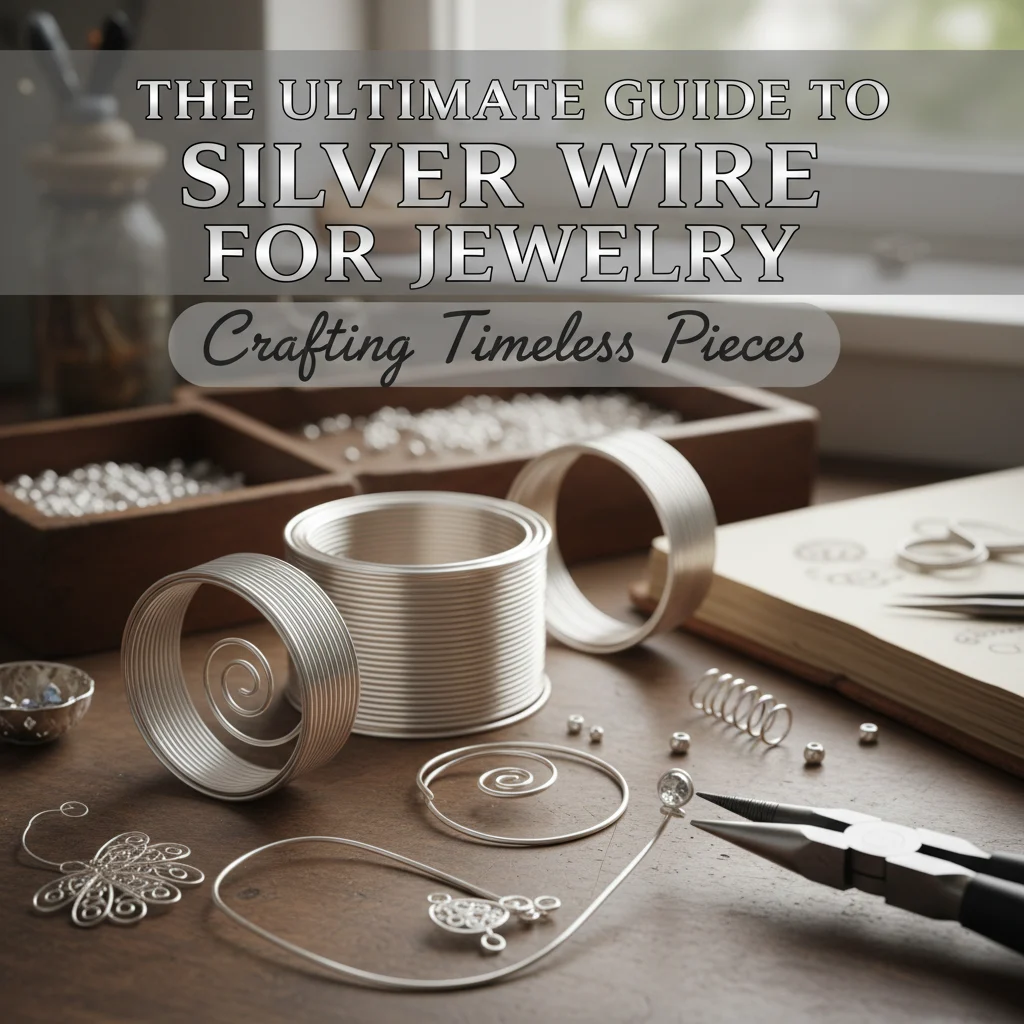
# The Ultimate Guide to Silver Wire for Jewelry: Crafting Timeless Pieces
So, you’re ready to dive into the wonderful world of jewelry making with silver wire? Excellent choice! Silver wire is a fantastic material for creating beautiful, durable, and timeless pieces. Whether you’re a complete beginner or a seasoned artisan, this ultimate guide will provide you with everything you need to know to get started, from choosing the right type of silver wire to mastering basic techniques and crafting your own stunning designs. Get ready to unlock your creativity and create jewelry that will be treasured for years to come!
[Browse top-rated silver wire for jewelry on Amazon]
## Understanding Silver Wire: A Jeweler’s Best Friend
Silver wire is a versatile and essential material for jewelry making. Its malleability allows you to bend, shape, and twist it into intricate designs, while its inherent beauty adds a touch of elegance to any piece. But before you start crafting, it’s important to understand the different types of silver wire available and their specific properties. This knowledge will help you choose the right wire for your project and achieve the best possible results.
### Types of Silver Wire
* **Fine Silver Wire (.999):** This is the purest form of silver wire, containing 99.9% silver. It’s incredibly soft and malleable, making it ideal for intricate designs and techniques like fusing. However, its softness also makes it less durable for everyday wear.
* **Sterling Silver Wire (.925):** Sterling silver is an alloy containing 92.5% silver and 7.5% of another metal, typically copper. This alloy provides increased strength and durability compared to fine silver, making it suitable for a wide range of jewelry projects. It’s also more resistant to tarnishing. Sterling silver is the most commonly used type of **silver wire for jewelry**.
* **Argentium Silver Wire:** A modern alloy that is even more tarnish-resistant than sterling silver. It contains germanium, which forms a protective layer on the surface of the silver, preventing it from reacting with sulfur in the air. Argentium silver is a great option for jewelry that will be worn frequently.
* **Silver-Plated Wire:** This is a base metal wire that has been coated with a thin layer of silver. It’s a more affordable option than solid silver wire, but the plating can wear off over time, exposing the base metal underneath. Silver-plated wire is best suited for practice projects or designs that won’t be subject to heavy wear.
### Shapes and Tempers of Silver Wire
Beyond the type of silver, the shape and temper of the **silver wire for jewelry** also play a crucial role in your crafting process.
* **Shapes:** Silver wire comes in various shapes, including round, square, half-round, and rectangular. The shape you choose will depend on the design you’re creating. Round wire is the most versatile and commonly used, while square and rectangular wires can add a more modern and geometric look. Half-round wire is often used for creating comfortable ring bands.
* **Tempers:** The temper of silver wire refers to its hardness or stiffness. It’s determined by the amount of work hardening the wire has undergone.
* **Dead Soft:** This is the softest temper, making it the easiest to bend and shape. It’s ideal for intricate designs and techniques like wire wrapping.
* **Half Hard:** This temper is a good balance between malleability and durability. It’s suitable for a wide range of projects, including earrings, pendants, and bracelets.
* **Hard:** This is the hardest temper, making it the most durable. It’s often used for creating clasps, ear wires, and other components that need to hold their shape.
[Browse top-rated silver wire for jewelry on Amazon]
## Essential Tools for Working with Silver Wire
To create beautiful **silver wire for jewelry**, you’ll need a few essential tools. Investing in quality tools will make the crafting process easier and more enjoyable, and will help you achieve professional-looking results.
* **Wire Cutters:** These are used to cleanly cut silver wire. Choose a pair with sharp, flush-cutting blades to avoid creating jagged edges.
* **Recommendation:** Xuron Professional Micro-Shear Flush Cutter – Known for their precision and durability.
* **Round Nose Pliers:** These pliers have rounded jaws that are used to create loops and curves in silver wire. They’re essential for making ear wires, jump rings, and other components.
* **Recommendation:** Wubbers Baby Round Nose Pliers – Provide excellent control and comfort.
* **Chain Nose Pliers:** These pliers have flat, smooth jaws that are used to grip and manipulate silver wire without scratching it. They’re essential for opening and closing jump rings, bending wire, and holding small components.
* **Recommendation:** Lindstrom RX 8141 – Known for their ergonomic design and precision.
* **Flat Nose Pliers:** Similar to chain nose pliers, but with wider jaws. They’re used for flattening wire, creating sharp bends, and gripping larger components.
* **Jeweler’s Hammer:** This hammer has a smooth, polished face that is used to flatten and harden silver wire. It’s essential for creating textured surfaces and work hardening your pieces.
* **Bench Block:** A steel block that provides a solid surface for hammering and other techniques.
* **Files and Sandpaper:** Used to smooth rough edges and remove scratches from silver wire.
* **Polishing Cloth:** Used to clean and polish your finished jewelry pieces.
[Browse top-rated silver wire for jewelry on Amazon]
## Step-by-Step Guide to Basic Silver Wire Techniques
Now that you have the right tools and materials, it’s time to learn some basic **silver wire for jewelry** techniques. These techniques will form the foundation for your jewelry-making skills and allow you to create a wide range of designs.
### 1. Making a Simple Wire Wrapped Bead
This technique is perfect for creating pendants, earrings, and charms.
1. **Cut a length of silver wire:** Approximately 6-8 inches, depending on the size of the bead and the desired length of the wrap.
2. **Create a loop:** Using round nose pliers, create a small loop at one end of the wire.
3. **Wrap the wire around the bead:** Thread the wire through the bead and wrap the longer end of the wire around the base of the loop, creating a secure wrap.
4. **Trim the excess wire:** Use wire cutters to trim any excess wire and tuck the ends in neatly.
5. **Adjust the wrap:** Use chain nose pliers to adjust the wrap and ensure it’s tight and secure.
### 2. Creating Jump Rings
Jump rings are essential for connecting different components in your jewelry designs.
1. **Wrap the wire around a mandrel:** Choose a mandrel (a round metal rod) that is the desired size of your jump ring. Wrap the silver wire tightly around the mandrel, creating a coil.
2. **Cut the coil:** Use wire cutters to cut the coil along one side, creating individual jump rings.
3. **Close the jump rings:** Use chain nose pliers to open and close the jump rings. To open a jump ring, grip it on either side of the opening and twist the ends apart. To close it, twist the ends back together until they meet seamlessly.
### 3. Making Ear Wires
Ear wires are used to create earrings.
1. **Cut a length of silver wire:** Approximately 3-4 inches.
2. **Create a loop:** Using round nose pliers, create a small loop at one end of the wire.
3. **Bend the wire:** Bend the wire into a gentle curve, creating the shape of the ear wire.
4. **Harden the wire:** Use a jeweler’s hammer and bench block to work harden the wire, making it more durable.
5. **File the end:** Use a file to smooth the end of the wire, ensuring it’s comfortable to wear.
### 4. Wire Wrapping a Stone
Wire wrapping a stone is a beautiful way to create pendants and other statement pieces.
1. **Choose your stone:** Select a stone that is smooth and has a pleasing shape.
2. **Cut several lengths of silver wire:** You’ll need at least three lengths of wire, depending on the size and shape of the stone.
3. **Create a frame:** Use one length of wire to create a frame around the stone, securing it in place.
4. **Wrap the wire around the stone:** Use the other lengths of wire to wrap around the stone, creating a decorative and secure wrap.
5. **Trim and tuck the ends:** Use wire cutters to trim any excess wire and tuck the ends in neatly.
[Browse top-rated silver wire for jewelry on Amazon]
## Tips for Choosing the Right Silver Wire for Your Project
Choosing the right **silver wire for jewelry** can make all the difference in the success of your project. Here are a few tips to help you make the right choice:
* **Consider the project:** What type of jewelry are you making? A delicate necklace will require a different type of wire than a sturdy bracelet.
* **Think about the wear:** Will the jewelry be worn frequently? If so, choose a durable wire like sterling silver or Argentium silver.
* **Consider your skill level:** If you’re a beginner, start with a softer wire like dead soft or half hard.
* **Experiment:** Don’t be afraid to experiment with different types of wire to see what works best for you.
[Browse top-rated silver wire for jewelry on Amazon]
## Keeping Your Silver Jewelry Sparkling
Silver is prone to tarnishing, but with proper care, you can keep your **silver wire for
[Check the latest prices and deals for silver wire for jewelry on Amazon today!]


