[Get the best value jewelry wire for jewelry making on Amazon today!]
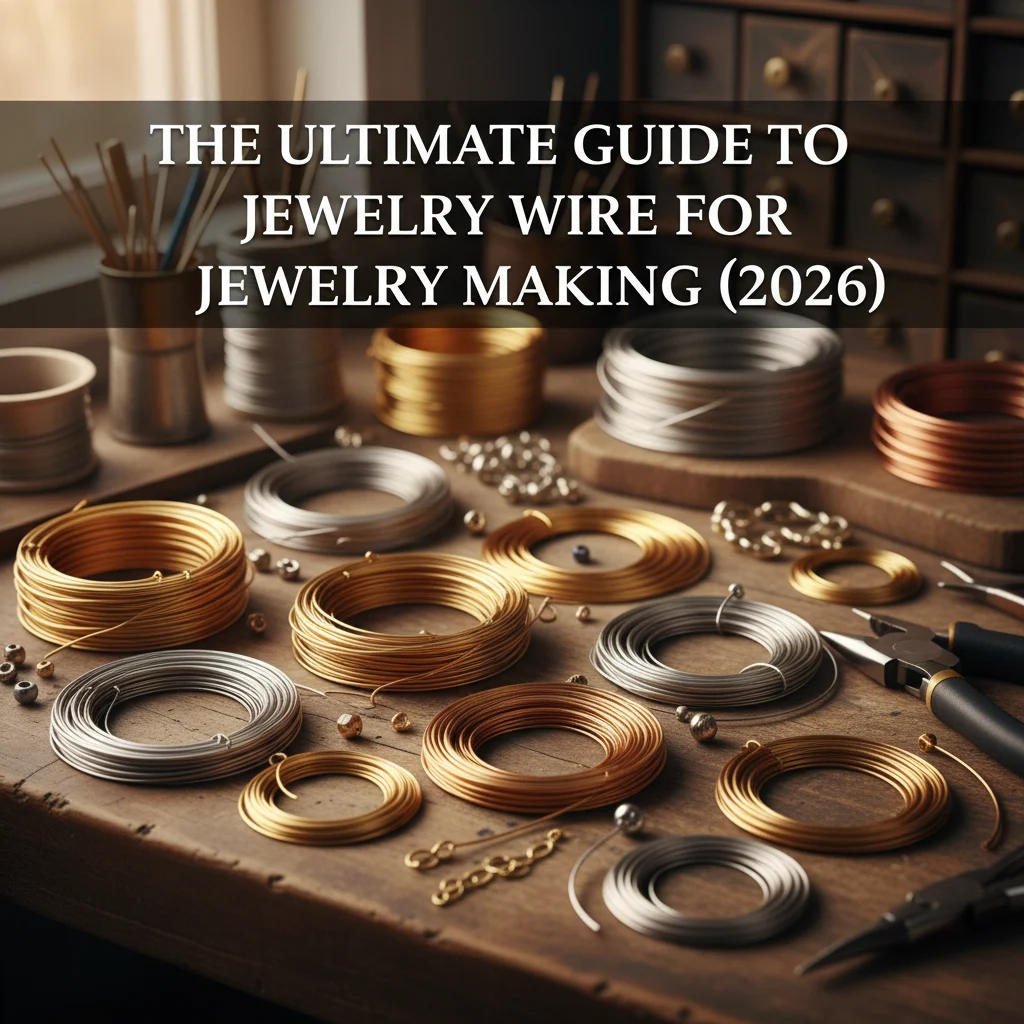
# The Ultimate Guide to Jewelry Wire for Jewelry Making (2026)
Hey there, fellow jewelry enthusiast! Are you ready to dive into the wonderful world of jewelry making and discover the perfect wire for your next masterpiece? You’ve come to the right place! This comprehensive guide will take you through everything you need to know about jewelry wire, ensuring you make the best choices for your projects in 2026 and beyond. We’ll cover different types of wire, their properties, uses, and even some pro tips to elevate your craft. Let’s get started!
[Browse top-rated jewelry wire for jewelry making on Amazon]
## Understanding Jewelry Wire: A Foundation for Success
Before we jump into specific types and techniques, let’s establish a solid foundation. Jewelry wire isn’t just wire; it’s the backbone of countless beautiful creations. Choosing the right wire can make or break a project, so understanding its properties is crucial.
### What is Jewelry Wire Made Of?
Jewelry wire comes in a variety of metals, each with its own unique characteristics:
* **Copper:** A popular choice due to its affordability and malleability. It’s great for practicing techniques and creating rustic designs.
* **Brass:** Similar to copper, but with a warmer, golden tone. It’s also relatively inexpensive and easy to work with.
* **Sterling Silver:** A classic choice known for its beauty and durability. It’s a great option for high-quality pieces that will last.
* **Gold-Filled:** Offers the look of gold at a more affordable price. It consists of a layer of gold bonded to a base metal, making it more durable than gold-plated wire.
* **Gold:** The ultimate luxury option, prized for its beauty, durability, and resistance to tarnish.
* **Aluminum:** Lightweight and inexpensive, making it suitable for larger, statement pieces.
* **Titanium:** Strong, lightweight, and hypoallergenic, making it a great choice for those with sensitive skin.
* **Stainless Steel:** Durable, strong, and resistant to tarnish, making it a good option for everyday wear.
### Key Properties to Consider
When selecting jewelry wire for jewelry making, consider these key properties:
* **Gauge (Thickness):** The gauge of the wire refers to its thickness. Lower gauge numbers indicate thicker wire, while higher numbers indicate thinner wire. The right gauge depends on the project. For example, thicker wire is better for structural elements, while thinner wire is ideal for intricate details.
* **Temper (Hardness):** The temper of the wire refers to its hardness or flexibility. Soft temper wire is easy to bend and shape, making it ideal for intricate wire wrapping. Half-hard temper wire offers a balance between flexibility and strength. Hard temper wire is strong and holds its shape well, making it suitable for clasps and other structural components.
* **Shape:** Jewelry wire comes in various shapes, including round, square, half-round, and flat. The shape you choose will depend on the desired aesthetic and the techniques you’ll be using. Round wire is the most versatile, while square wire can create interesting geometric designs.
* **Color and Finish:** The color and finish of the wire can significantly impact the overall look of your jewelry. Consider the other materials you’ll be using and choose a wire that complements them. Finishes can range from bright and shiny to matte and antique.
[Browse top-rated jewelry wire for jewelry making on Amazon]
## Types of Jewelry Wire and Their Best Uses
Now that we’ve covered the basics, let’s explore some specific types of jewelry wire and their best uses.
### Copper Wire: The Beginner’s Best Friend
Copper wire is an excellent choice for beginners due to its affordability and malleability. It’s easy to bend and shape, making it perfect for practicing wire wrapping and other techniques.
* **Best For:** Practicing techniques, creating rustic designs, wire wrapping, and making jump rings.
* **Considerations:** Copper can tarnish over time, so it’s important to seal it with a protective coating or embrace the aged look.
### Brass Wire: Warmth and Versatility
Brass wire offers a similar workability to copper but with a warmer, golden tone. It’s also relatively inexpensive and easy to find, making it a great option for a variety of projects.
* **Best For:** Creating warm-toned designs, practicing techniques, wire wrapping, and making components like ear wires and clasps.
* **Considerations:** Like copper, brass can tarnish, so consider sealing it or embracing the patina.
### Sterling Silver Wire: Timeless Elegance
Sterling silver wire is a classic choice for high-quality jewelry. It’s known for its beauty, durability, and relatively easy workability.
* **Best For:** Creating elegant and durable jewelry pieces, wire wrapping, making ear wires, clasps, and other components.
* **Considerations:** Sterling silver can tarnish, so regular cleaning and proper storage are essential to maintain its shine.
### Gold-Filled Wire: Affordable Luxury
Gold-filled wire offers the look of gold at a more affordable price. It consists of a layer of gold bonded to a base metal, making it more durable than gold-plated wire.
* **Best For:** Creating jewelry with the look of gold without the high cost, wire wrapping, making ear wires, and other components.
* **Considerations:** While more durable than gold-plated wire, gold-filled wire can still wear over time, so avoid harsh chemicals and abrasive cleaners.
### Gold Wire: The Ultimate Statement
Gold wire is the ultimate luxury option, prized for its beauty, durability, and resistance to tarnish. It’s a significant investment, but the results are stunning.
* **Best For:** Creating heirloom-quality jewelry, special occasion pieces, and high-end designs.
* **Considerations:** Gold is a soft metal, so choose the appropriate gauge and temper for your project to ensure durability.
### Aluminum Wire: Lightweight and Bold
Aluminum wire is lightweight and inexpensive, making it suitable for larger, statement pieces where weight is a concern.
* **Best For:** Creating large necklaces, bracelets, and earrings, wire sculptures, and craft projects.
* **Considerations:** Aluminum is a soft metal and can be easily bent, so it’s not suitable for projects requiring high strength.
### Titanium Wire: Strength and Hypoallergenic Appeal
Titanium wire is strong, lightweight, and hypoallergenic, making it a great choice for those with sensitive skin.
* **Best For:** Creating jewelry for those with allergies, durable and lightweight designs, and modern, minimalist pieces.
* **Considerations:** Titanium can be difficult to solder, so consider using alternative joining methods like riveting or cold connections.
### Stainless Steel Wire: Durable and Tarnish-Resistant
Stainless steel wire is durable, strong, and resistant to tarnish, making it a good option for everyday wear.
* **Best For:** Creating durable jewelry, everyday wear pieces, designs that require strength and resistance to tarnish, and jewelry for those with metal sensitivities (though not as hypoallergenic as titanium).
* **Considerations:** Stainless steel can be challenging to work with due to its hardness, so use appropriate tools and techniques.
[Browse top-rated jewelry wire for jewelry making on Amazon]
## Essential Tools for Working with Jewelry Wire
Having the right tools is essential for successful jewelry making. Here are some must-have tools for working with jewelry wire:
* **Wire Cutters:** For cleanly cutting wire to the desired length.
* **Round Nose Pliers:** For creating loops and curves in the wire.
* **Chain Nose Pliers:** For gripping and manipulating wire in tight spaces.
* **Flat Nose Pliers:** For flattening and straightening wire.
* **Nylon Jaw Pliers:** For straightening wire without scratching it.
* **Wire Wrapping Jig:** For creating consistent and uniform wire wraps.
* **Files and Sandpaper:** For smoothing rough edges and finishing your pieces.
* **Ruler or Measuring Tape:** For accurate wire measurements.
### Product Recommendation: Wubbers Pliers
For serious jewelry makers, Wubbers pliers are a worthwhile investment. They are ergonomically designed and offer superior grip and control, making wire working easier and more comfortable. Wubbers pliers are known for their quality and durability, ensuring they will last for years to come. Their Baby Wubbers line is especially helpful for smaller hands or intricate designs.
[Browse top-rated jewelry wire for jewelry making on Amazon]
## Step-by-Step Guide: Making a Simple Wire-Wrapped Pendant
Let’s put our knowledge into practice by making a simple wire-wrapped pendant. This project is perfect for beginners and will help you develop your wire-working skills.
### Step 1: Gather Your Materials
You’ll need:
* 20 gauge copper wire (soft temper)
* A gemstone bead or cabochon
* Wire cutters
* Round nose pliers
* Chain nose pliers
* Ruler
### Step 2: Cut the Wire
Cut two pieces of wire, one approximately 12 inches long and the other approximately 6 inches long.
### Step 3: Create the Base Wrap
Bend the 12-inch piece of wire in half and create a loop at the bend using round nose pliers. This will be the bail of your pendant.
### Step 4: Wrap the Stone
Place the gemstone bead or cabochon in the center of the bent wire. Wrap the wire around the stone, securing it in place. Make sure the wire is snug but not too tight, as you don’t want to crack the stone.
### Step 5: Secure the Wrap
Use the chain nose pliers to tighten the wire wraps and ensure the stone is securely held in place.
###
[Check the latest prices and deals for jewelry wire for jewelry making on Amazon today!]


