[Get the best value gold wire for jewelry making on Amazon today!]
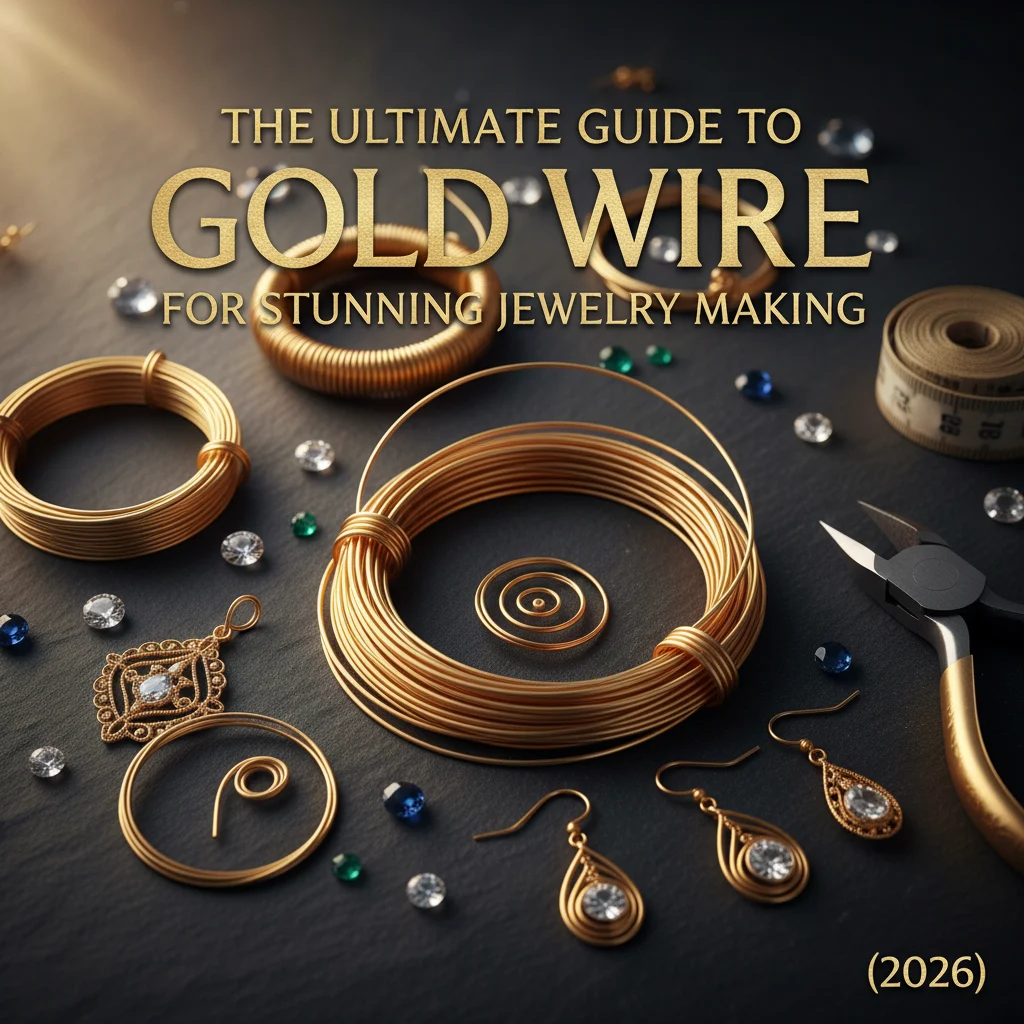
# The Ultimate Guide to Gold Wire for Stunning Jewelry Making (2026)
So, you’re ready to dive into the glittering world of gold wire jewelry making! That’s fantastic. Working with gold wire opens up a universe of design possibilities, from delicate earrings to bold statement necklaces. But with so many options for gold wire, it’s easy to feel a little overwhelmed. Don’t worry, you’re not alone!
This guide is your one-stop resource for everything you need to know about gold wire for jewelry making. We’ll cover the different types of gold wire, how to choose the right one for your project, essential tools, tips and tricks, and even some project ideas to get your creative juices flowing. By the end of this guide, you’ll be crafting stunning gold wire jewelry like a pro!
[Browse top-rated gold wire for jewelry making on Amazon]
## Understanding Gold Wire: Karats, Colors, and Shapes
Before you even pick up a pair of pliers, it’s important to understand the basics of gold wire. Gold, in its purest form, is too soft for jewelry making. It needs to be alloyed (mixed) with other metals to make it more durable and workable. This is where karats come in.
* **Karat (K):** Karat refers to the purity of the gold. 24K gold is pure gold (99.9% gold), but it’s extremely soft. Lower karat gold contains a higher percentage of other metals, making it stronger. Common karats for jewelry making include:
* **22K Gold:** Contains 91.6% gold. Offers a rich color but is still relatively soft.
* **18K Gold:** Contains 75% gold. A popular choice for high-end jewelry, balancing color and durability.
* **14K Gold:** Contains 58.3% gold. A good balance of durability and affordability. This is a very common choice for jewelry making.
* **10K Gold:** Contains 41.7% gold. The most durable and affordable option, but the color is less vibrant than higher karats.
* **Gold Colors:** The color of gold wire depends on the metals it’s alloyed with. Common gold colors include:
* **Yellow Gold:** Alloyed with silver and copper.
* **White Gold:** Alloyed with nickel, palladium, or silver and often plated with rhodium for a bright white finish.
* **Rose Gold:** Alloyed with copper. The more copper, the rosier the color.
* **Green Gold:** Alloyed with silver.
* **Wire Shapes:** Gold wire comes in various shapes, each suited for different techniques and designs:
* **Round Wire:** The most versatile shape, used for a wide range of projects.
* **Square Wire:** Ideal for creating sharp angles and geometric designs.
* **Half-Round Wire:** Flat on one side and rounded on the other, perfect for creating comfortable bands and wraps.
* **Twisted Wire:** Adds texture and visual interest to designs.
[Browse top-rated gold wire for jewelry making on Amazon]
## Choosing the Right Gold Wire for Your Project
Now that you know the basics, let’s talk about choosing the right gold wire for your specific jewelry-making project. Here are the key factors to consider:
* **Project Type:** The type of jewelry you’re making will influence your wire choice.
* **Earrings:** Lighter gauge wire (20-26 gauge) is ideal for earrings to avoid weighing down the earlobe. Consider 14k or 18k gold for a beautiful, lasting finish.
* **Necklaces:** Medium gauge wire (18-22 gauge) is suitable for pendants and necklace chains. Choose a karat based on your budget and desired durability.
* **Bracelets:** Sturdier gauge wire (16-20 gauge) is recommended for bracelets, especially those that will be worn daily. 14k or 10k gold are excellent choices for durability.
* **Rings:** Thicker gauge wire (14-18 gauge) is essential for rings to maintain their shape and withstand wear. 14k or 10k gold are recommended for their strength.
* **Budget:** Gold wire can be expensive, especially in higher karats. Consider your budget when choosing the karat and amount of wire you need. Gold-filled wire is a great alternative if you’re on a tighter budget (more on that later!).
* **Desired Durability:** If you’re making jewelry that will be worn frequently, choose a lower karat gold for greater durability. 10k or 14k gold will hold up better to daily wear and tear.
* **Skill Level:** If you’re a beginner, start with softer, more pliable wire like 22k or 18k gold. As you gain experience, you can experiment with harder wires like 14k or 10k gold.
* **Color Preference:** Consider the overall aesthetic of your design and choose a gold color that complements your gemstones or other materials. Yellow gold is classic, white gold is modern, and rose gold is romantic.
[Browse top-rated gold wire for jewelry making on Amazon]
## Essential Tools for Working with Gold Wire
Having the right tools will make your gold wire jewelry-making experience much smoother and more enjoyable. Here are some essential tools you’ll need:
* **Wire Cutters:** High-quality wire cutters are essential for clean, precise cuts. Look for flush cutters that leave a flat, even edge.
* **Round Nose Pliers:** Used for creating loops, curves, and bends in the wire.
* **Chain Nose Pliers:** Used for gripping, bending, and manipulating the wire. They have flat, smooth jaws to avoid scratching the wire.
* **Flat Nose Pliers:** Used for flattening, straightening, and gripping the wire.
* **Nylon Jaw Pliers:** Protect the wire from scratches while you’re working with it.
* **Jeweler’s Hammer:** Used for hardening and shaping the wire.
* **Steel Block:** Provides a solid surface for hammering and shaping.
* **Ring Mandrel:** Used for shaping rings to the correct size.
* **Files and Sandpaper:** Used for smoothing rough edges and polishing the finished piece.
* **Polishing Cloth:** Used for cleaning and polishing the gold wire.
* **Ruler or Caliper:** For accurate measuring.
[Browse top-rated gold wire for jewelry making on Amazon]
## Gold-Filled Wire: A Budget-Friendly Alternative
If you love the look of gold but are on a budget, gold-filled wire is an excellent alternative. Gold-filled wire consists of a base metal (usually brass) that is mechanically bonded with a thick layer of gold. The gold layer is significantly thicker than gold plating, making gold-filled wire much more durable and long-lasting.
**Benefits of Gold-Filled Wire:**
* **Affordable:** Much less expensive than solid gold.
* **Durable:** The thick layer of gold is resistant to tarnishing and wear.
* **Hypoallergenic:** Generally safe for people with sensitive skin.
* **Looks and Feels Like Gold:** Has the same appearance and weight as solid gold.
**Things to Keep in Mind:**
* **Not Solid Gold:** It’s important to remember that gold-filled wire is not solid gold.
* **Can Tarnish Over Time:** While more resistant to tarnishing than gold-plated wire, gold-filled wire can still tarnish over time, especially if exposed to harsh chemicals or moisture.
* **Lower Resale Value:** Gold-filled jewelry has a lower resale value than solid gold jewelry.
[Browse top-rated gold wire for jewelry making on Amazon]
## Techniques for Working with Gold Wire
Mastering a few basic techniques will open up a world of possibilities for your gold wire jewelry making. Here are some essential techniques to learn:
* **Wire Wrapping:** Wrapping wire around beads, stones, or other components to create secure connections and decorative elements.
* **Wire Weaving:** Interlacing wires to create intricate patterns and textures.
* **Wire Coiling:** Wrapping wire around a mandrel or other object to create coils for beads, links, or other decorative elements.
* **Wire Spiraling:** Creating spirals with wire for decorative accents or to connect different components.
* **Creating Headpins and Eyepins:** Forming loops at the end of wire to attach beads or other components.
* **Making Jump Rings:** Creating small, circular rings for connecting different parts of your jewelry.
[Browse top-rated gold wire for jewelry making on Amazon]
## Tips and Tricks for Working with Gold Wire
Here are some helpful tips and tricks to keep in mind when working with gold wire:
* **Annealing:** Annealing is the process of heating the wire to soften it and make it more pliable. This is especially helpful when working with harder wires or when making complex designs. To anneal gold wire, heat it with a torch until it glows a dull red, then quench it in water. **(Important: Only anneal if you have the proper safety equipment and knowledge. Improper annealing can damage the wire.)**
* **Work Hardening:** As you bend and shape the wire, it will become harder and more brittle. This is called work hardening. If the wire becomes too hard, it can crack or break. To avoid work hardening, anneal the wire periodically as you work.
* **Protect Your Wire:** Use nylon jaw pliers or wrap the jaws of your regular pliers with tape to protect the wire from scratches.
* **Practice Makes Perfect:** Don’t be discouraged if your first few attempts aren’
[Check the latest prices and deals for gold wire for jewelry making on Amazon today!]


