[Get the best value snap hook on Amazon today!]
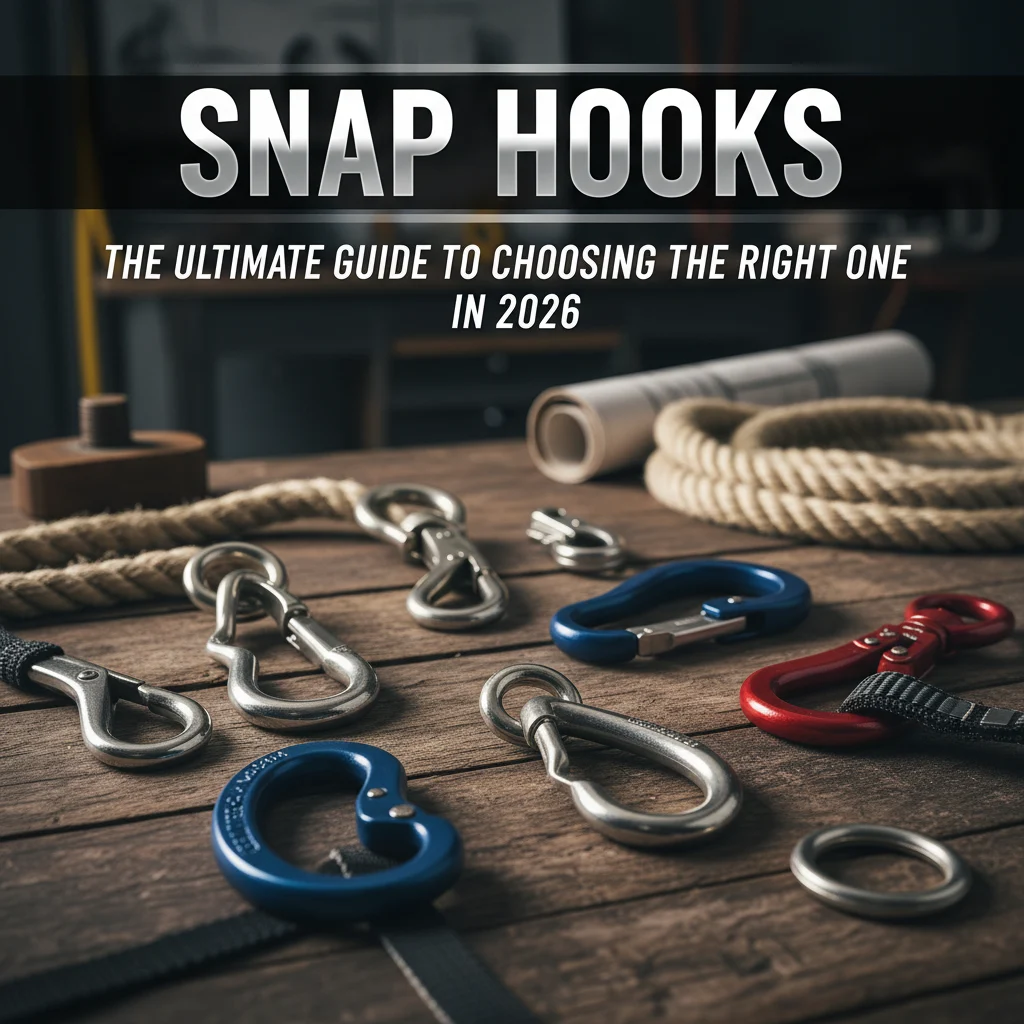
# Snap Hooks: The Ultimate Guide to Choosing the Right One in 2026
Choosing the right snap hook might seem like a small detail, but trust me, it can make a world of difference in safety, efficiency, and even peace of mind. Whether you’re securing gear on a sailboat, connecting your dog’s leash, or rigging equipment for climbing, the right snap hook is crucial. This guide will walk you through everything you need to know to make the best choice in 2026, ensuring you get the perfect snap hook for your specific needs.
[Browse top-rated snap hook on Amazon]
## Why Understanding Snap Hooks Matters
Snap hooks, also known as spring hooks or carabiners, are versatile connectors used in countless applications. They provide a quick and reliable way to attach and detach items. However, not all snap hooks are created equal. Understanding the different types, materials, and load ratings is essential to avoid accidents and ensure your equipment performs as expected. Let’s dive into the world of snap hooks and equip you with the knowledge to choose wisely.
[Browse top-rated snap hook on Amazon]
## Snap Hook Types: An Overview
There are several different types of snap hooks, each designed for specific applications. Here’s a breakdown of the most common types:
* **Spring-Loaded Snap Hooks:** These are the most common type, featuring a spring-loaded gate that automatically closes. They’re great for general-purpose use.
* **Bolt Snap Hooks:** These have a bolt action mechanism that requires manual operation to open and close the gate, making them more secure than spring-loaded hooks.
* **Swivel Snap Hooks:** These hooks have a rotating base that allows the attached item to swivel, preventing tangling and twisting.
* **Double-Ended Snap Hooks:** These have a snap hook on both ends, making them useful for connecting two items quickly and easily.
* **Locking Snap Hooks:** These feature a locking mechanism that prevents accidental opening, offering the highest level of security.
[Browse top-rated snap hook on Amazon]
## Step-by-Step Guide to Choosing the Right Snap Hook
Here’s a step-by-step guide to help you select the perfect snap hook for your needs.
### Step 1: Determine the Application
The first step is to clearly define how you’ll be using the snap hook. Consider the following:
* **Load Requirements:** How much weight will the snap hook need to support?
* **Environmental Conditions:** Will the snap hook be exposed to salt water, chemicals, or extreme temperatures?
* **Frequency of Use:** How often will you be attaching and detaching items?
* **Safety Requirements:** Does the application require a high level of security?
### Step 2: Choose the Right Material
The material of the snap hook is critical for its strength, durability, and resistance to corrosion. Common materials include:
* **Stainless Steel:** Offers excellent corrosion resistance, making it ideal for marine environments.
* **Carbon Steel:** Strong and durable, but prone to rust if not properly coated.
* **Aluminum:** Lightweight and corrosion-resistant, but not as strong as steel.
* **Brass:** Corrosion-resistant and often used in decorative applications.
Choose the material that best suits the environmental conditions and load requirements of your application.
### Step 3: Select the Appropriate Size and Shape
Snap hooks come in various sizes and shapes. Consider the following:
* **Size:** Choose a size that is appropriate for the items you’ll be connecting.
* **Shape:** Different shapes are designed for different purposes. For example, oval-shaped hooks are often used for connecting ropes, while D-shaped hooks are commonly used for attaching items to harnesses.
### Step 4: Check the Load Rating
The load rating, also known as the working load limit (WLL), is the maximum weight the snap hook is designed to support. Always choose a snap hook with a load rating that exceeds the expected load. Keep in mind that the breaking strength (the point at which the hook will fail) is typically much higher than the WLL, but you should never exceed the WLL.
### Step 5: Consider the Gate Type
The gate is the opening mechanism of the snap hook. Different gate types offer varying levels of security and ease of use.
* **Spring-Loaded Gate:** Easy to use with one hand, but can be prone to accidental opening.
* **Bolt Gate:** More secure than spring-loaded gates, requiring manual operation to open and close.
* **Locking Gate:** Offers the highest level of security, preventing accidental opening.
### Step 6: Examine the Construction Quality
Inspect the snap hook for any signs of defects, such as cracks, sharp edges, or rough surfaces. A well-constructed snap hook will have smooth edges and a solid, durable feel.
[Browse top-rated snap hook on Amazon]
## Tools for the Job: Recommended Snap Hooks
Now that you know what to look for, let’s explore some recommended snap hooks available on Amazon.
### Stainless Steel Spring-Loaded Snap Hook
This type of snap hook is perfect for marine applications due to its excellent corrosion resistance. It’s ideal for securing boat fenders, attaching lines, and general-purpose use around water.
* **Key Features:**
* Made from high-quality 316 stainless steel
* Spring-loaded gate for easy one-handed operation
* Polished finish for a sleek appearance
* **Why We Like It:** The stainless steel construction ensures long-lasting durability in harsh marine environments. The spring-loaded gate makes it easy to attach and detach items quickly.
### Locking Carabiner Clip
For applications requiring a high level of security, a locking carabiner is an excellent choice. These are commonly used in climbing, rigging, and securing valuable equipment.
* **Key Features:**
* Made from high-strength aluminum alloy
* Screw-locking gate for added security
* Lightweight and easy to carry
* **Why We Like It:** The screw-locking gate prevents accidental opening, providing peace of mind when securing important items. The aluminum alloy construction is both strong and lightweight.
### Swivel Eye Snap Hook
This type of snap hook is ideal for applications where twisting and tangling are a concern. It’s commonly used in pet leashes, flagpoles, and hanging decorations.
* **Key Features:**
* Made from durable zinc alloy
* Swivel eye prevents tangling
* Spring-loaded gate for easy attachment
* **Why We Like It:** The swivel eye allows the attached item to rotate freely, preventing tangling and extending the lifespan of ropes and lines.
[Browse top-rated snap hook on Amazon]
## Pro-Tips / FAQ Section
* **Pro-Tip:** Regularly inspect your snap hooks for signs of wear and tear. Replace any hooks that are damaged or show signs of corrosion.
* **FAQ: How do I clean a snap hook?**
* Use mild soap and water to clean snap hooks. Avoid using harsh chemicals or abrasive cleaners, as they can damage the finish and weaken the material.
* **FAQ: Can I use a snap hook for climbing?**
* Only use snap hooks specifically designed and rated for climbing. These hooks will have a higher load rating and a locking mechanism to prevent accidental opening.
* **FAQ: What is the difference between a carabiner and a snap hook?**
* The terms are often used interchangeably, but carabiners typically refer to stronger, more specialized hooks used in climbing and rigging, while snap hooks are more general-purpose connectors.
[Browse top-rated snap hook on Amazon]
## Understanding Load Ratings in Detail
It’s crucial to understand the different load ratings associated with snap hooks. Here’s a breakdown:
* **Working Load Limit (WLL):** The maximum weight the snap hook is designed to support under normal operating conditions. This is the most important rating to consider.
* **Breaking Strength:** The point at which the snap hook will fail. This is typically much higher than the WLL, but you should never exceed the WLL.
* **Proof Load:** The load the snap hook is tested to withstand during manufacturing. This is typically higher than the WLL but lower than the breaking strength.
Always choose a snap hook with a WLL that exceeds the expected load. Factor in a safety margin to account for dynamic loads and unexpected stresses.
[Browse top-rated snap hook on Amazon]
## The Importance of Regular Inspection
Regular inspection is essential to ensure the safety and reliability of your snap hooks. Check for the following:
* **Corrosion:** Look for signs of rust, pitting, or discoloration.
* **Cracks:** Inspect the hook for any cracks, especially around the gate and attachment points.
* **Deformation:** Check for any bending or distortion of the hook.
* **Gate Function:** Ensure the gate opens and closes smoothly and securely.
Replace any snap hooks that show signs of damage or wear.
[Browse top-rated snap hook on Amazon]
## Choosing Snap Hooks for Specific Applications
Here’s a look at how to choose snap hooks for specific applications:
* **Marine Applications:** Choose stainless steel snap hooks for excellent corrosion resistance.
* **Pet Leashes:** Choose swivel snap hooks to prevent tangling.
* **Climbing:** Choose locking carabiners specifically designed and rated for climbing.
* **Rigging:** Choose high-strength steel or aluminum snap hooks with appropriate load ratings.
* **General-Purpose Use:** Choose spring-loaded snap hooks for ease of use.
[Browse top-rated snap hook on Amazon]
## Future Trends in Snap Hook Technology (2026 and Beyond)
Looking ahead to 2026, we can expect to see several advancements in snap hook technology:
* **Smart Snap Hooks:** Integrated sensors that monitor load and provide real-time feedback.
* **Advanced Materials:**
[Check the latest prices and deals for snap hook on Amazon today!]