[Get the best value latch hook tool on Amazon today!]
# Latch Hook Tool: Is It Right for Your Next Craft Project?
Are you itching to start a new craft project but feeling overwhelmed by the options? Maybe you’ve seen those cozy, textured rugs and wall hangings and thought, “I’d love to make one of those!” Well, the latch hook craft is a fantastic way to create beautiful, handmade pieces, and it all starts with the right tool. But is a *latch hook tool* the right choice for *your* next project?
In this article, we’ll dive deep into the world of latch hooking, exploring what a latch hook tool is, how it works, and whether it’s the perfect fit for bringing your creative vision to life. We’ll cover everything you need to know, from understanding the basics to deciding if this technique is right for you. Let’s get started!
[Browse top-rated latch hook tool on Amazon]
## What Exactly *Is* a Latch Hook Tool?
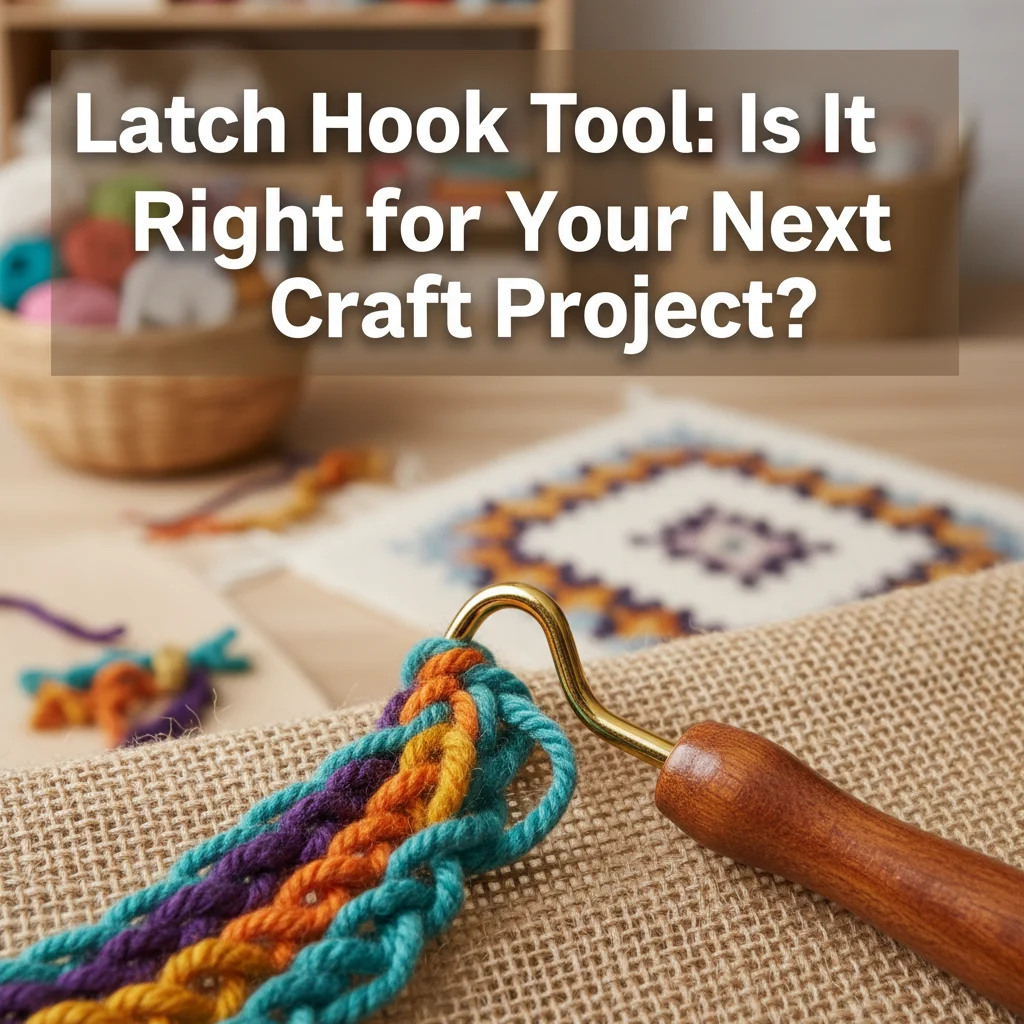
At its core, a latch hook tool is a simple hand tool designed to make the process of attaching yarn to a canvas quick and easy. It’s a small, handheld device, usually made of metal or plastic, with a hook at one end and a hinged latch that opens and closes. This latch is the key to its functionality, allowing you to securely grab the yarn, pull it through the canvas mesh, and tie a knot – all in one smooth motion.
Think of it as a specialized crochet hook, but instead of creating intricate stitches, it creates a series of consistent knots that form the pile of your rug, wall hanging, or other crafty creation.
[Browse top-rated latch hook tool on Amazon]
## How Does a Latch Hook Tool Work?
The beauty of the latch hook tool lies in its simplicity. Here’s a step-by-step breakdown of how it works:
1. **Holding the Tool:** Grip the latch hook tool comfortably in your dominant hand. The handle is usually designed to fit snugly in your palm for a secure and controlled grip.
2. **Inserting the Hook:** Push the hook end of the tool through a single mesh opening in the latch hook canvas. Make sure the latch is in the open position.
3. **Attaching the Yarn:** Fold a strand of yarn in half. With your other hand, place the folded end of the yarn over the hook of the tool.
4. **Pulling Through:** Gently pull the hook back through the canvas mesh opening, bringing the folded yarn with it. The latch will automatically close as it passes through the canvas, securing the yarn.
5. **Creating the Knot:** The folded end of the yarn will now be looped around the hook’s shaft. Pass the loose ends of the yarn *through* this loop.
6. **Tightening the Knot:** Release the loose ends of the yarn and pull them gently but firmly. This tightens the knot, securing the yarn to the canvas.
7. **Repeat!** Continue this process, row by row, until your entire design is complete.
The latch hook tool ensures that each knot is uniform and tight, creating a consistent and durable pile. Once you get the hang of it, the process becomes quite rhythmic and meditative!
[Browse top-rated latch hook tool on Amazon]
## Is Latch Hooking Right for YOU? Considering the Pros and Cons
So, you know what a latch hook tool is and how it works, but the big question remains: is this craft right for *you* and your next project? Let’s weigh the pros and cons:
**Pros:**
* **Easy to Learn:** Latch hooking is incredibly beginner-friendly. The technique is simple and repetitive, making it easy to pick up quickly. Even children can learn and enjoy this craft with supervision.
* **Relaxing and Therapeutic:** The rhythmic motion of latch hooking can be very calming and therapeutic. It’s a great way to unwind and de-stress after a long day.
* **Versatile:** Latch hooking can be used to create a wide variety of projects, including rugs, wall hangings, pillows, cushions, and even decorative items like coasters and ornaments.
* **Affordable:** The basic supplies for latch hooking (canvas, yarn, and the tool itself) are relatively inexpensive, making it an accessible craft for people on a budget.
* **Customizable:** You have complete creative control over your designs. You can choose your own colors, patterns, and textures to create unique and personalized pieces.
* **Great for Upcycling:** Latch hooking is a fantastic way to use up leftover yarn scraps. You can mix and match different colors and textures to create truly one-of-a-kind projects.
* **Durable Results:** Latch hook projects are surprisingly durable and long-lasting. The tight knots ensure that the yarn stays securely attached to the canvas, even with regular use.
**Cons:**
* **Time-Consuming:** Latch hooking can be a time-consuming craft, especially for larger projects. Be prepared to invest several hours, or even days, to complete a rug or wall hanging.
* **Can Be Repetitive:** While some find the repetitive motion relaxing, others may find it tedious after a while. If you get bored easily, you might want to consider a smaller project or break it up into shorter sessions.
* **Limited Design Complexity:** While you can create intricate designs, the latch hook technique is best suited for geometric patterns and simple shapes. Complex curves and detailed imagery can be challenging to achieve.
* **Prone to Mistakes:** It’s easy to make mistakes when latch hooking, such as missing a loop or tying a knot incorrectly. While these mistakes can usually be fixed, they can be frustrating, especially for beginners.
* **Can Be Hard on the Hands:** Latch hooking requires a firm grip and repetitive hand movements, which can cause fatigue or discomfort, especially for those with arthritis or other hand conditions. Taking frequent breaks can help alleviate this issue.
* **Yarn Quality Matters:** The quality of the yarn you use can significantly impact the final result. Cheap, low-quality yarn can be prone to shedding, fraying, or breaking, which can detract from the overall appearance and durability of your project.
* **Canvas Size Limitations:** Latch hook canvas typically comes in standard sizes, which can limit the size and shape of your projects. While you can join multiple pieces of canvas together, this can be time-consuming and require extra skill.
[Browse top-rated latch hook tool on Amazon]
## Choosing the Right Latch Hook Tool for Your Project
Not all latch hook tools are created equal. Different tools are designed for different types of yarn and canvas, so it’s important to choose the right one for your project. Here are some factors to consider:
* **Size:** Latch hook tools come in different sizes, typically ranging from small to large. The size you need will depend on the thickness of the yarn you’re using and the size of the mesh openings in your canvas. A smaller tool is generally used for finer yarn and smaller canvas, while a larger tool is used for thicker yarn and larger canvas.
* **Material:** Latch hook tools are typically made of metal or plastic. Metal tools are generally more durable and long-lasting, while plastic tools are lighter and less expensive. Consider your budget and how often you plan to use the tool when making your decision.
* **Handle Design:** The handle of the latch hook tool should be comfortable to grip and hold for extended periods. Look for a tool with an ergonomic handle that fits snugly in your palm and provides a secure grip. Some tools have padded or textured handles for added comfort.
* **Latch Mechanism:** The latch mechanism should be smooth and easy to operate. The latch should open and close freely without sticking or jamming. A well-designed latch will make the latch hooking process much faster and more efficient.
* **Brand Reputation:** Some brands are known for producing high-quality latch hook tools. Research different brands and read reviews to find a tool that is reliable and durable.
**Recommended Latch Hook Tools:**
While the best latch hook tool for you will depend on your specific needs and preferences, here are a few popular and highly-rated options:
* **Boye Latch Hook:** A classic and reliable option, the Boye latch hook is made of durable metal and features a comfortable wooden handle. It’s a versatile tool that can be used for a wide range of latch hook projects.
* **Susan Bates Latch Hook:** Another popular choice, the Susan Bates latch hook is made of lightweight plastic and features a smooth latch mechanism. It’s a good option for beginners and those who prefer a lighter tool.
* **Knit Picks Latch Hook:** The Knit Picks latch hook is made of sturdy metal and features an ergonomic handle that provides a comfortable grip. It’s a great option for those who experience hand fatigue or discomfort while latch hooking.
[Browse top-rated latch hook tool on Amazon]
## Essential Supplies Beyond the Tool
While the latch hook tool is the star of the show, you’ll need a few other essential supplies to complete your latch hook project:
* **Latch Hook Canvas:** This is the foundation of your project. Latch hook canvas is typically made of stiff mesh with evenly spaced openings. The size of the openings will determine the thickness of the yarn you can use.
* **Yarn:** Choose a yarn that is appropriate for the size of the canvas openings. Acrylic yarn is a popular choice because it’s affordable, durable, and comes in a wide variety of colors. Wool yarn is another good option, especially for rugs and other projects that will be subjected to wear and tear.
* **Latch Hook Pattern (Optional):** If you’re a beginner, it’s helpful to start with a pre-printed latch hook pattern. These patterns provide a visual guide for where to place each color of yarn.
*
[Check the latest prices and deals for latch hook tool on Amazon today!]


